
 By
By 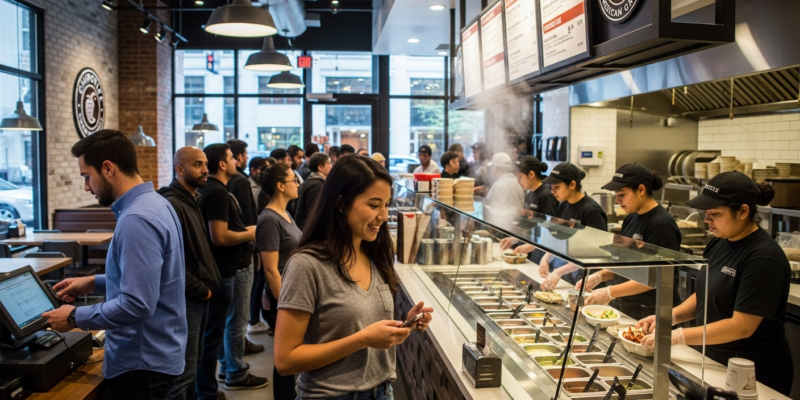
Chipotle Mexican Grill is a well-known fast-casual restaurant chain that focuses on made-to-order meals inspired by Mexican cuisine. Chipotle stores are designed to offer customers a straightforward dining experience where food is prepared in front of them using a simple, assembly-line format. Over the years, the brand has become recognizable for its emphasis on customizable meals, open kitchens, and a consistent store experience across locations.
Unlike traditional fast-food restaurants, Chipotle operates in the fast-casual segment, which typically combines quicker service with a more involved food preparation process. Customers usually order at a counter, watch their meals being assembled, and then choose whether to dine in or take their food to go. This approach allows for transparency, flexibility, and a sense of involvement in the ordering process.
This article provides a general, informational overview of Chipotle stores, including how they operate, what customers can expect inside, and how different services such as online ordering and pickup typically work.
Brief History and Background
Chipotle Mexican Grill was founded in the early 1990s in the United States with the idea of serving simple, freshly prepared food in a quick-service environment. The original concept focused on a limited menu that could be executed efficiently while still allowing customers to personalize their meals.
As the brand expanded, Chipotle stores began appearing in a wide range of locations, including urban centers, suburban areas, college towns, and shopping districts. Over time, the store design and service model became more standardized, helping create a recognizable experience for customers regardless of location.
Today, Chipotle operates numerous stores across different regions, maintaining a consistent core concept while adapting slightly to local preferences and regulations. The brand’s growth has largely been driven by its fast-casual positioning and emphasis on customization rather than an extensive menu.
What Chipotle Stores Are Known For
Chipotle stores are commonly known for their build-your-own meal format. Customers typically move along a service line where they choose ingredients step by step, starting with a base and ending with toppings and extras. This approach allows for a high level of personalization without requiring a large or complex menu.
Another notable aspect of Chipotle stores is the open-kitchen design. Food preparation areas are usually visible to customers, which creates a sense of transparency and helps people understand how their meals are assembled. The process is generally quick, structured, and easy to follow, even for first-time visitors.
Chipotle is also recognized for maintaining a focused menu. Rather than offering many unrelated items, the menu centers on a few core food categories that can be customized in multiple ways. This consistency plays a key role in how stores operate efficiently.
Type of Dining Experience (Fast-Casual)
Chipotle falls into the fast-casual dining category, which sits between traditional fast food and full-service restaurants. In this model, customers typically place their orders at a counter, pay before eating, and either take their food to a table or leave with it.
The fast-casual experience at Chipotle stores is designed to balance speed and quality. Orders are prepared relatively quickly, but the food is assembled fresh based on individual preferences. Seating areas, when available, are usually simple and functional rather than elaborate.
This type of dining experience appeals to customers who want flexibility, control over ingredients, and a casual environment without the longer wait times associated with table-service restaurants.
Neutral Brand Overview
Chipotle Mexican Grill operates with a standardized store model that emphasizes consistency, efficiency, and customer choice. While individual locations may differ slightly in size, layout, or operating hours, the overall experience tends to follow the same structure.
The brand does not rely on an extensive menu or complex ordering systems. Instead, Chipotle stores focus on executing a core set of offerings well, allowing customers to customize meals according to their preferences. This neutral, straightforward approach has become a defining characteristic of the brand.
Chipotle Store Menu Overview
General Food Categories
Chipotle stores typically organize their menu around a few main food categories:
-
Burrito bowls
-
Burritos
-
Tacos
-
Salads
These categories use many of the same ingredients, arranged differently based on the selected format. This structure allows for variety while keeping the menu simple and manageable.
Customization Options
Customization is a central feature of the Chipotle ordering process. Customers usually select:
-
A base such as rice or greens
-
Beans or other foundational ingredients
-
A protein option
-
Toppings like vegetables, salsas, or sauces
Each step happens in sequence along the service line, making the process easy to understand. Customers can see available options and make decisions in real time.
Vegetarian and Lifestyle-Friendly Choices
Chipotle stores generally offer multiple options suitable for vegetarian or plant-focused diets. Since meals are customizable, customers can choose combinations that align with their personal preferences or dietary needs.
In addition, the ability to control portion sizes and ingredients makes the menu adaptable for a wide range of eating styles. Availability of specific ingredients may vary by location.
No Pricing or Promotional Claims
Menu items and customization options are presented without emphasis on pricing, deals, or promotions. Information provided in Chipotle stores is typically focused on ingredients and preparation rather than comparisons or value claims.
What to Expect Inside a Chipotle Store
Typical Store Layout and Ordering Process
Most Chipotle stores follow a similar layout. Customers enter, join a single service line, and move forward as they select ingredients. The kitchen area is usually visible, with staff preparing food behind a counter.
The process is structured and linear, which helps keep lines moving efficiently during busy periods.
In-Store Dining vs Takeaway
Many Chipotle locations offer seating for customers who wish to eat in. Seating areas are usually simple, clean, and designed for short visits. Takeaway orders are also common, allowing customers to leave shortly after receiving their food.
The choice between dining in and taking food to go depends on personal preference and store capacity.
Clean, Simple, Assembly-Line Style Service
Chipotle stores are known for their assembly-line service model. Each staff member typically focuses on a specific task, such as adding ingredients or completing orders. This division of roles helps maintain speed and consistency.
Self-Serve Extras (When Available)
Some locations provide limited self-serve items such as napkins or utensils. Availability may vary depending on store design and local guidelines.
Chipotle Store Locations & Operating Hours
Finding Nearby Stores
Customers usually find Chipotle locations through online search tools, maps, or the official store locator. These tools help identify nearby stores based on city or ZIP code.
Online Store Locator (General Mention)
The Chipotle website typically includes a store locator feature that provides address and location information. Details may differ by region.
Typical Operating Hours
Operating hours vary by location and day. Most stores open for lunch and remain open through evening hours, but exact times depend on local factors such as demand and regulations.
Regional Differences
Chipotle stores in different cities or regions may differ slightly in size, layout, or hours. However, the core service model remains consistent.
Chipotle Online Ordering & Pickup Experience
How Online Ordering Generally Works
Chipotle offers online ordering through its digital platforms. Customers select items, customize ingredients, and choose a pickup or delivery option where available.
Pickup Shelves and Digital Orders
Many stores have designated pickup areas or shelves for online orders. This allows customers to retrieve their food without waiting in the main service line.
In-Store vs Online Orders
In-store orders involve direct interaction with staff, while online orders focus on convenience and speed. Both methods aim to deliver the same menu options and preparation standards.
Delivery Availability
Delivery options may be available in certain areas through third-party platforms. Availability and service quality can vary depending on location.
Ingredient Sourcing & Food Preparation Approach
Focus on Fresh Preparation
Chipotle stores typically prepare food daily, with ingredients assembled throughout the day. This approach supports the made-to-order model.
Transparency Around Ingredients
Open kitchens and visible preparation areas allow customers to see ingredients as they are used. This transparency is a key part of the in-store experience.
Cooking Methods Used in Stores
Cooking methods generally include grilling, chopping, and mixing ingredients on-site. Specific techniques may vary depending on equipment and store layout.
Consistency Across Locations
Standardized preparation guidelines help ensure that food tastes and presentation remain consistent across different Chipotle locations.
Dining Options: Eat-In, Takeout & Delivery
Eat-In Experience
Eat-in dining is casual and informal. Seating is typically designed for quick meals rather than extended stays.
Takeout Convenience
Takeout allows customers to enjoy meals elsewhere. Packaging is designed to keep food intact during short transport.
Delivery as an Optional Service
Delivery is an additional option in some areas, depending on platform availability and location.
Neutral Pros and Cons
Each dining option offers different benefits in terms of speed, convenience, and experience. Preferences vary by customer and situation.
Customer Support & In-Store Assistance
Staff Assistance
Chipotle staff typically assist customers during ordering, helping clarify ingredient choices or customization steps.
Handling Order Issues
If issues arise, customers usually address them directly with store staff. Resolution processes may vary by location.
Feedback and Support Channels
General feedback options are typically available through official communication channels. Availability and response times may differ.


Comments