
 By
By 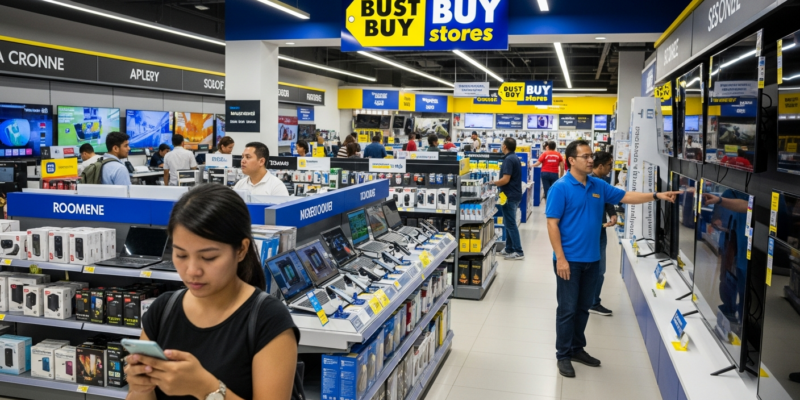
Bust Buy Stores are commonly known as large-format retail outlets that focus on electronics, appliances, and related consumer technology products. These stores are designed to provide customers with access to a wide variety of tech-related items in one place, along with basic customer assistance and post-purchase services. This guide offers a neutral and informative overview of Bust Buy Stores, covering how they operate, what shoppers can expect, and how to shop smart both in-store and online.
About Bust Buy Stores
Overview of What Bust Buy Stores Are
Bust Buy Stores generally operate as electronics-focused retail chains that sell a broad selection of consumer technology products. These stores cater to everyday consumers looking for personal, home, or office-related electronic items. The primary goal of such stores is to centralize multiple technology categories under one roof, making comparison and selection easier for shoppers.
Rather than specializing in one narrow product type, Bust Buy Stores usually cover a wide spectrum of technology needs. Customers may visit these stores for anything ranging from basic accessories to large home appliances.
Types of Products Usually Available
Bust Buy Stores typically carry products across several major categories, including:
-
Consumer electronics
-
Home and kitchen appliances
-
Personal computing devices
-
Mobile accessories
-
Entertainment-related products
The variety allows customers to explore multiple options in one visit without needing to go to separate specialty stores.
How These Stores Operate
Bust Buy Stores usually function through a combination of:
-
Physical retail locations
-
Online shopping platforms
-
Centralized inventory systems
In-store operations often include product displays, demo units for select items, and general customer support desks. Online platforms may mirror in-store offerings, allowing customers to browse products, check availability, and review specifications.
This overview is informational only and does not reflect specific operational guarantees.
Bust Buy Store Shopping Experience
What Customers Can Expect When Visiting a Store
When entering a Bust Buy Store, customers can generally expect a structured retail environment designed around product categories. Stores are typically well-lit, spacious, and arranged to allow customers to browse independently or seek assistance when needed.
Most visits involve:
-
Browsing product displays
-
Comparing features and pricing
-
Asking general questions to store staff
The experience is often self-guided, with support available if requested.
Store Layout, Product Sections, and Assistance
Bust Buy Stores are usually organized into clearly marked sections such as:
-
Electronics and gadgets
-
Home appliances
-
Accessories and peripherals
-
Service or support desks
Products are commonly displayed on shelves, wall mounts, or demo tables. Assistance may be available from store associates trained to provide basic product information rather than technical consultation.
In-Store vs Online Browsing Experience
In-store browsing allows customers to physically view products, assess size and build quality, and sometimes test demo units. Online browsing, on the other hand, focuses on specifications, descriptions, and comparisons.
Each option serves different shopping preferences depending on how hands-on the customer wants to be.
Bust Buy Store Locations & Store Hours
Finding Nearby Bust Buy Stores
Customers usually locate Bust Buy Stores through:
-
Official websites
-
Online maps and navigation tools
-
Store locator features
These tools typically show addresses, directions, and basic operational details.
Typical Store Hours
Bust Buy Stores often operate during standard retail hours. Opening and closing times are generally consistent with large retail outlets, but exact schedules are not guaranteed.
Shoppers are encouraged to verify hours before visiting, especially on weekends or holidays.
How Store Hours May Vary by Location
Store hours may differ depending on:
-
City or region
-
Local regulations
-
Seasonal demand
Urban locations may have extended hours, while smaller locations may close earlier.
Products & Categories Available at Bust Buy Stores
Electronics
Electronics form the core of Bust Buy Store inventories. Common electronics include:
-
Televisions
-
Audio equipment
-
Personal computing devices
-
Wearable technology
These items are often displayed with basic specification labels to help customers compare features.
Home Appliances
Home appliances may include:
-
Refrigerators
-
Washing machines
-
Microwaves
-
Air conditioners
Larger appliances are typically displayed in dedicated sections due to space requirements.
Accessories and Add-Ons
Accessories are usually smaller items that complement primary products, such as:
-
Cables and chargers
-
Headphones
-
Remote controls
-
Mounting brackets
These are often located near checkout areas or alongside related products.
Seasonal or Trending Product Categories
Bust Buy Stores may adjust product focus based on trends or seasons. Examples include:
-
Holiday-related electronics
-
Back-to-school technology
-
Smart home devices
Availability can change depending on demand and market trends.
Bust Buy Store Return & Exchange Policies
General Return and Exchange Guidelines
Return and exchange policies at Bust Buy Stores typically outline:
-
Acceptable return timeframes
-
Product condition requirements
-
Eligible product categories
Policies are usually designed to balance customer convenience with operational limitations.
Things Customers Should Check Before Returning Items
Before initiating a return or exchange, customers should review:
-
Whether the product is eligible
-
Original packaging requirements
-
Condition of the item
Certain items may have restrictions due to hygiene or usage considerations.
Importance of Receipts and Timelines
Receipts or proof of purchase are often required for returns or exchanges. Timelines are also important, as returns are generally only accepted within a defined period after purchase.
Bust Buy Store Customer Support & Services
In-Store Assistance
In-store customer support typically includes:
-
Product information
-
Purchase guidance
-
Basic troubleshooting
Support staff may direct customers to appropriate sections or service counters.
Installation or Setup Support
Some Bust Buy Stores may offer optional installation or setup support for specific products. This could include:
-
Appliance installation
-
Device setup assistance
Availability may vary by location and product type.
How Customers Usually Contact Support
Customer support is commonly accessed through:
-
In-store service desks
-
Phone support lines
-
Online contact forms
Response times and service scope can vary.
Tips for Shopping Smart at Bust Buy Stores
How to Compare Products
Customers can compare products by:
-
Reviewing specifications
-
Checking size and compatibility
-
Comparing features across brands
Taking time to compare can help avoid unnecessary purchases.
Reading Product Specifications Carefully
Specifications provide important details such as:
-
Power requirements
-
Dimensions
-
Supported features
Understanding specifications helps ensure products meet intended needs.
Checking Warranty and Compatibility
Before purchasing, customers should confirm:
-
Warranty coverage
-
Compatibility with existing devices
This reduces the risk of post-purchase issues.
Bust Buy Stores: Online vs In-Store Shopping
Differences Between Visiting a Store and Shopping Online
In-store shopping allows physical inspection and immediate purchase, while online shopping emphasizes convenience and broader browsing options.
Each method has advantages depending on customer preferences.
Convenience Factors
Online shopping offers:
-
Anytime access
-
Home delivery
-
Easier product comparison
In-store shopping offers:
-
Immediate availability
-
Physical product evaluation
-
Face-to-face assistance
When In-Store Shopping Makes More Sense
In-store shopping may be preferable when:
-
Buying large appliances
-
Needing immediate assistance
-
Wanting to see products in person
Final Thoughts
Bust Buy Stores function as general-purpose technology retail outlets designed to serve a wide range of consumer needs. By offering electronics, appliances, accessories, and customer support under one roof, these stores aim to simplify the shopping process. Understanding how these stores operate, what products they typically carry, and how shopping experiences differ online versus in-store can help customers make informed decisions.




Comments